What We Put in Our Pockets
Thoughts on the iPod turning 25, and the perils of buying expensive gadgets just to impress cute guys.

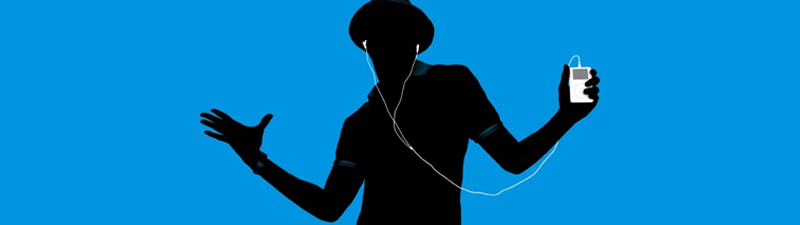
In 2006, I bought a second-hand iPod to impress a guy I fancied. There were probably cheaper ways to flirt, but very few of them had a click wheel.
That iPod was my first Apple product. A year later I bought a Mac, and for a long time I never really looked back. I loved the care that had gone into making a complicated thing feel simple. The wheel, the menus, the way my music moved from computer to pocket: it seemed to understand what I was trying to do.
Apple introduced the iPod twenty-five years ago today, with the promise of a thousand songs in your pocket. Portable music already existed, of course. What felt different was the scale of it. You could carry your whole collection, scroll through it with your thumb, pick a soundtrack for the next few minutes of your life, and press play.
I've been reflecting today on just how much that changed things. Sure, I had owned a Walkman as a kid, but carrying it and its batteries and more tapes to listen to around was... a lot. the iPod was different. It felt... so much more personal.
Researchers studying early iPod listeners found people using it to shape their mood and their experience of the places they moved through. I was doing exactly that - using it on the many train journeys between university and home long after the one failed date I went on with that aforementioned Apple fanboy.
But when we can put a private soundtrack over the world, what do we gain? And, just as crucially, what might we stop noticing?
The iPod didn’t invent digital media, but I think it helped make the idea of a portable library feel ordinary and mainstream for the first time. And then, in 2005, Apple brought podcast subscriptions into iTunes, making it easier to take other people’s voices along for the journey. Two years later, the Kindle offered a similar promise for books. We grew comfortable carrying stories, songs, voices, and eventually much of our daily lives in little devices that travelled everywhere with us. The age of the device was truly at hand.
Twenty-five years later, it's something we all just take for granted. I can discover a writer halfway across the world and read their work that afternoon. Someone can make a podcast without persuading a radio station to give them a slot. Music can be discovered, streamed, and shared without having to leave bed. The age of convenience has brought us near-instant access to a near-infinite amount of consumable media.
But convenience always changes expectations. Instant access has given way to an expectation that we get everything, everywhere, all at once. Is it any wonder, then, that we’re all so keen to accept the existence of machines that can summarise what we haven’t read, create things we haven't learned to search for, and rewrite what we haven’t found the words to say?
I don’t hate clever tools. I’ve written about that before. But I do wonder why we’re so eager to remove ourselves from the interesting parts of life.
Who benefits when finding a book becomes receiving a summary? What happens to our taste when we rarely have to make a choice? And whose work makes it possible for a machine to offer us an endless supply of things that are almost, but not quite, someone’s actual song?
In 2001, the idea that we'd all carry a multi-function device in our pockets was a radical view. Had you told even the most fervent tech reporters of the time that we'd end up using those devices to get generatively-beige summaries of things we're not even sure we want or need whilst burning half the planet to do it, I'm sure you'd have been laughed out of the room.
Twenty-five years on, I still admire what that little music player did. It put more of the world within reach, then let me choose what to listen to. It never offered to enjoy the song on my behalf... and as we decide what our devices should do for us next, perhaps that’s the lesson we ought to hold on to.